
.png)


Builder Rental Readiness Checklist for Lease-Up
- Digital B2B
- Aug 2
- 5 min read

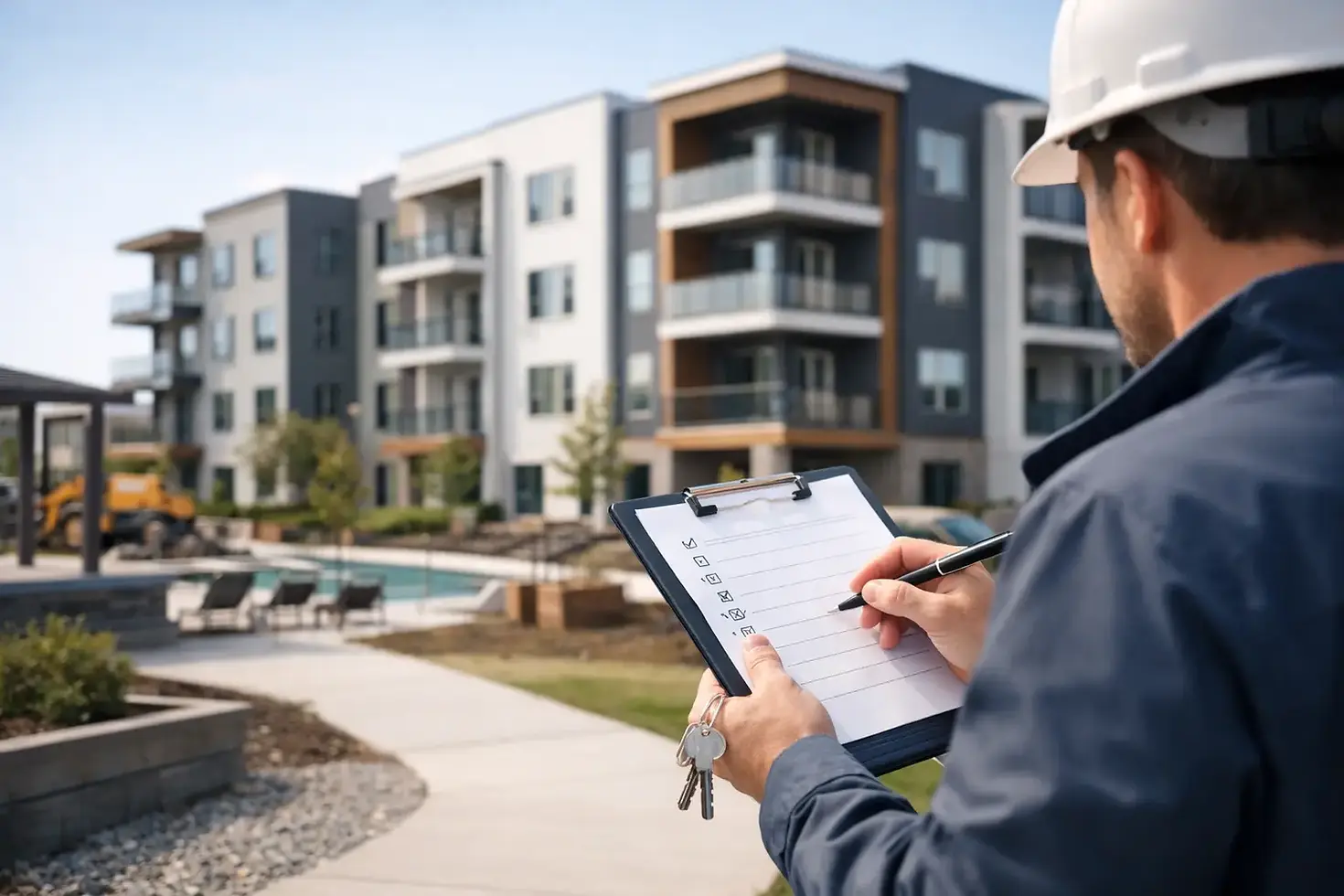
A new rental building can be physically complete and still be weeks away from a successful lease-up. The difference is usually not the finish level alone. It is the coordination behind the resident experience, leasing process, and building operations. This builder rental readiness checklist helps Ottawa builders and developers move from construction completion to confident tenant placement without avoidable delays.
For premium apartments and condo-style rentals, readiness means every detail supports the promise being marketed: modern comfort, convenient daily living, and a professional response when residents need assistance. Getting this right before the first showing protects early reviews, strengthens leasing momentum, and supports stable occupancy long after opening day.
Start the builder rental readiness checklist early
Rental readiness should begin well before the final unit turnover. A property management and leasing plan works best when it informs the last stages of construction, rather than arriving after trades have left the site. At that point, small omissions can become costly obstacles - missing suite numbers, incomplete amenity access, unclear utility arrangements, or an entry system that has not been tested with real users.
Begin by confirming your intended resident profile and the building's position in the Ottawa rental market. A centrally located one-bedroom building near transit and dining may appeal to professionals seeking an efficient urban home. Larger suites near Ottawa General Hospital, CHEO, or family-oriented neighbourhoods may attract medical staff, patient families, and households in transition. The unit mix, furnishing strategy, parking offer, and amenity priorities should reflect that audience.
Confirm the building can deliver its advertised lifestyle
Marketing should describe what residents will actually experience on move-in day. Before photography, listings, or showings begin, confirm that all resident-facing features are complete, safe, clean, and operating as intended.
Key pre-lease-up checks include:
Suite finishes are complete, with paint touch-ups, functioning appliances, installed window coverings where included, and clean, labelled mechanical systems.
Common areas, corridors, elevators, mailrooms, waste rooms, bicycle storage, parking areas, and exterior lighting are ready for regular resident use.
Building access systems, intercoms, fobs, parcel processes, garage remotes, and visitor procedures have been tested from a resident's perspective.
Amenities such as fitness rooms, lounges, terraces, co-working areas, and pet facilities have clear operating rules, completed furniture, and reliable access.
Life-safety documentation, fire procedures, emergency contacts, and required inspections are current and easy for the management team to access.
A polished lobby cannot compensate for an unreliable buzzer system or an unfinished garbage room. Residents notice the practical details immediately, especially during their first week. For a new building, those early impressions can shape referral activity and online reputation at the exact moment leasing demand is being built.
Prepare each suite for a first-rate showing
The model suite may be ready first, but every available unit should meet the same standard before it is shown. Prospective tenants can accept a phased opening when expectations are clear. They are less likely to proceed when a suite appears unfinished, dusty, or uncertain.
Complete a documented suite-by-suite inspection before listing. Test every appliance, faucet, drain, light switch, thermostat, smoke detector, door lock, and window. Confirm that keys and fobs are properly tagged, appliance manuals are available, and deficiencies have an assigned owner and completion date.
This is also the time to make decisions that affect tenant satisfaction and operating efficiency. For example, including internet in rent may appeal to busy professionals and simplify move-ins, but it requires a dependable building-wide service arrangement. Offering in-suite laundry is a strong leasing feature, but maintenance responsibilities and resident guidance should be set from the beginning. The best choice depends on the property, target renter, and operating budget, not simply on what competing buildings advertise.
Make the rental offering clear, not assumed
Every listing, leasing conversation, and lease package should answer the same basic questions: What is included? What does the resident pay separately? When is the suite available? Where can residents park, receive packages, store bicycles, and dispose of waste?
Create a consistent inventory record for each unit that captures rent, square footage, floor plan, exposure, balcony or terrace details, parking availability, storage, utility treatment, and pet policy. This prevents a common lease-up problem: different staff providing different answers to the same prospect.
Clarity is particularly valuable in new developments where availability changes quickly. A well-managed leasing pipeline should show which suites are ready to show, reserved, leased, under repair, or awaiting final turnover. That gives owners a realistic view of absorption and lets the leasing team market the right units with confidence.
Build the leasing system before inquiries arrive
A fast lease-up is not simply a matter of generating leads. It depends on responding quickly, qualifying consistently, booking effective viewings, and moving approved applicants through a professional lease process. If these pieces are improvised, high-intent prospects can be lost between their first inquiry and their application.
Prepare photography, floor plans, suite descriptions, building highlights, pricing, and availability information before launch. For an upscale Ottawa rental, visual marketing should show more than cabinetry and flooring. It should communicate how the home supports daily life: a bright work-from-home area, practical storage, a comfortable bedroom, a walkable setting, or easy access to transit, shops, and dining.
Set response standards as well. Prospects expect timely answers, especially relocating professionals coordinating a move or families arranging an extended stay near medical care. Designate who handles calls, emails, applications, follow-ups, and weekend inquiries. A clear process feels more hospitable to residents and gives builders accurate reporting on lead volume, conversion, and leasing pace.
Protect quality tenant placement
Occupancy is valuable, but the right occupancy is more valuable. Strong screening supports reliable rent collection, respectful building culture, and longer tenancies. Use a consistent, lawful process to review income, employment, credit, references, and other appropriate application details in line with Ontario requirements.
The leasing team should also look for fit beyond the paperwork. A resident who understands the parking arrangement, building rules, move-in process, and utility responsibilities is more likely to begin the tenancy smoothly. Clear communication at this stage reduces disputes later and protects the premium experience the building is intended to offer.
Plan operations for the first 90 days
The opening period reveals how a building performs under real occupancy. Maintenance requests, elevator bookings, deliveries, waste volume, noise questions, and access issues tend to surface at once. A readiness plan should define who receives each issue, how residents are updated, and when builders or warranty teams must be involved.
Set up a handoff process for outstanding deficiencies. Residents should never be left to determine whether a concern belongs to the landlord, construction team, warranty provider, or trade. From their perspective, they have moved into a home, and the management experience should provide one clear path to help.
Track recurring issues closely in the first months. If multiple residents report the same thermostat concern, sound transfer issue, parking confusion, or appliance problem, address the pattern rather than treating each report as isolated. Early operational data can improve future phases, reduce service costs, and preserve tenant confidence.
Move-in coordination deserves the same attention. Provide residents with practical instructions for keys, fobs, elevator bookings, parking, waste sorting, amenity access, emergency contacts, and building expectations. A thoughtful welcome process is not an extra touch. It is the first operational test of whether the property feels organized, comfortable, and ready to call home.
For Ottawa builders preparing a new rental asset, H-Estates can bring leasing, tenant placement, and ongoing management into one coordinated plan. The goal is not merely to fill suites quickly, but to establish a building experience that encourages residents to stay.
A readiness checklist is most useful when it becomes a working document, reviewed with construction, leasing, and operations teams at regular intervals. The final details may feel small before opening, yet they are often what turn a new address into a dependable, well-regarded rental community.



Comments